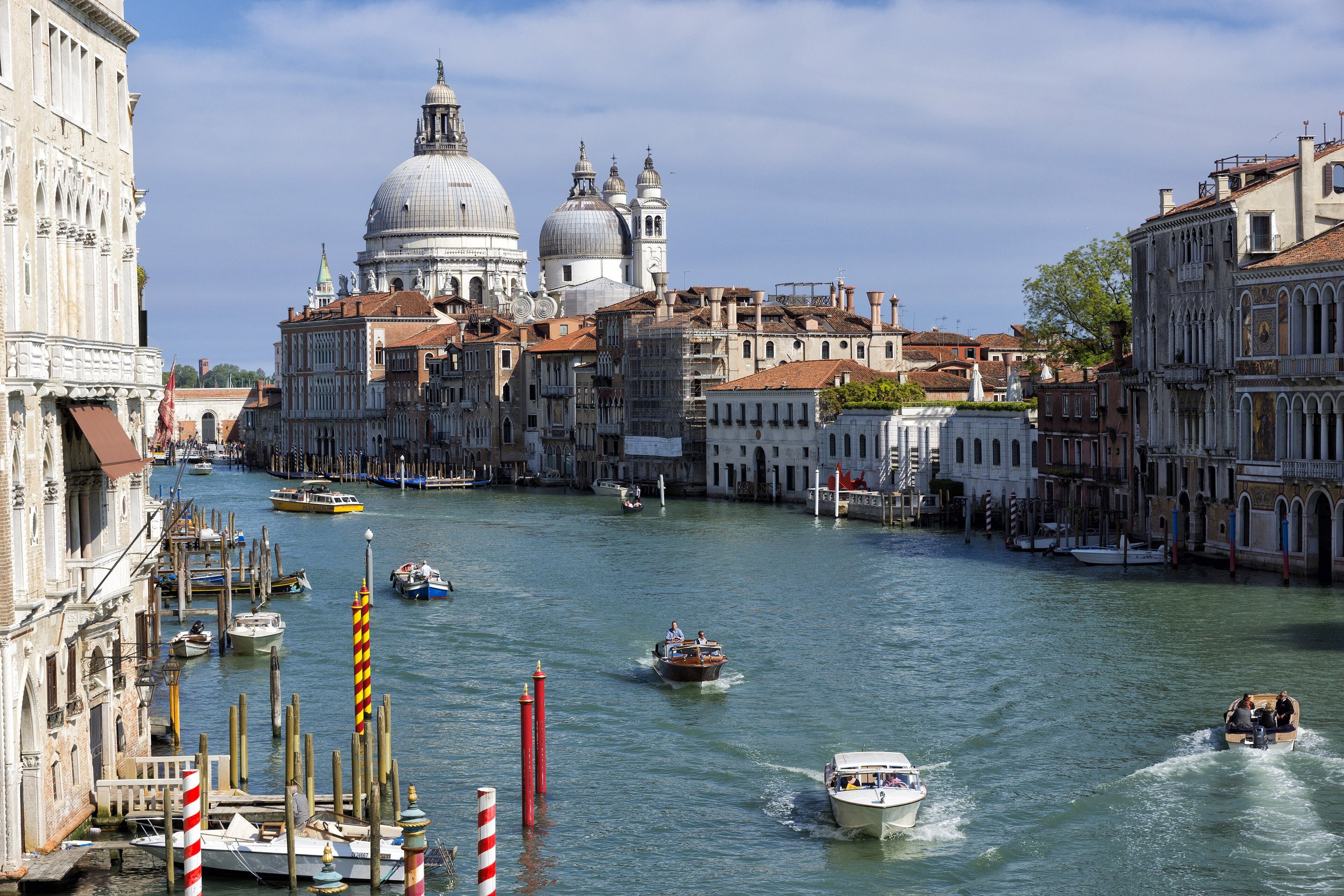
Venice, explained
The city is free to walk. It is the water that charges you — every vaporetto, every gondola, and now the day you arrive.
Photograph by Miguel Mendez, Wikimedia Commons, CC BY 2.0
_(14066428173).jpg)
Residents: the Comune di Venezia’s own count for the historic centre, which it publishes because the number keeps falling. Islands and sestieri are the conventional counts. “4 bridges” is the Grand Canal only — there are some four hundred bridges in the city altogether. “10 of 16” counts the sight pages here that charge no admission.
Start here
Eleven sections, standing in the channel like bricole — the striped oak posts that mark the one route deep enough to cross. The everyday mechanics come first, because they are what actually goes wrong.
The sixteen sights
Free first, ticketed after — which is the argument this whole site makes. Three of the free ones are islands, and reaching them is the expensive part.
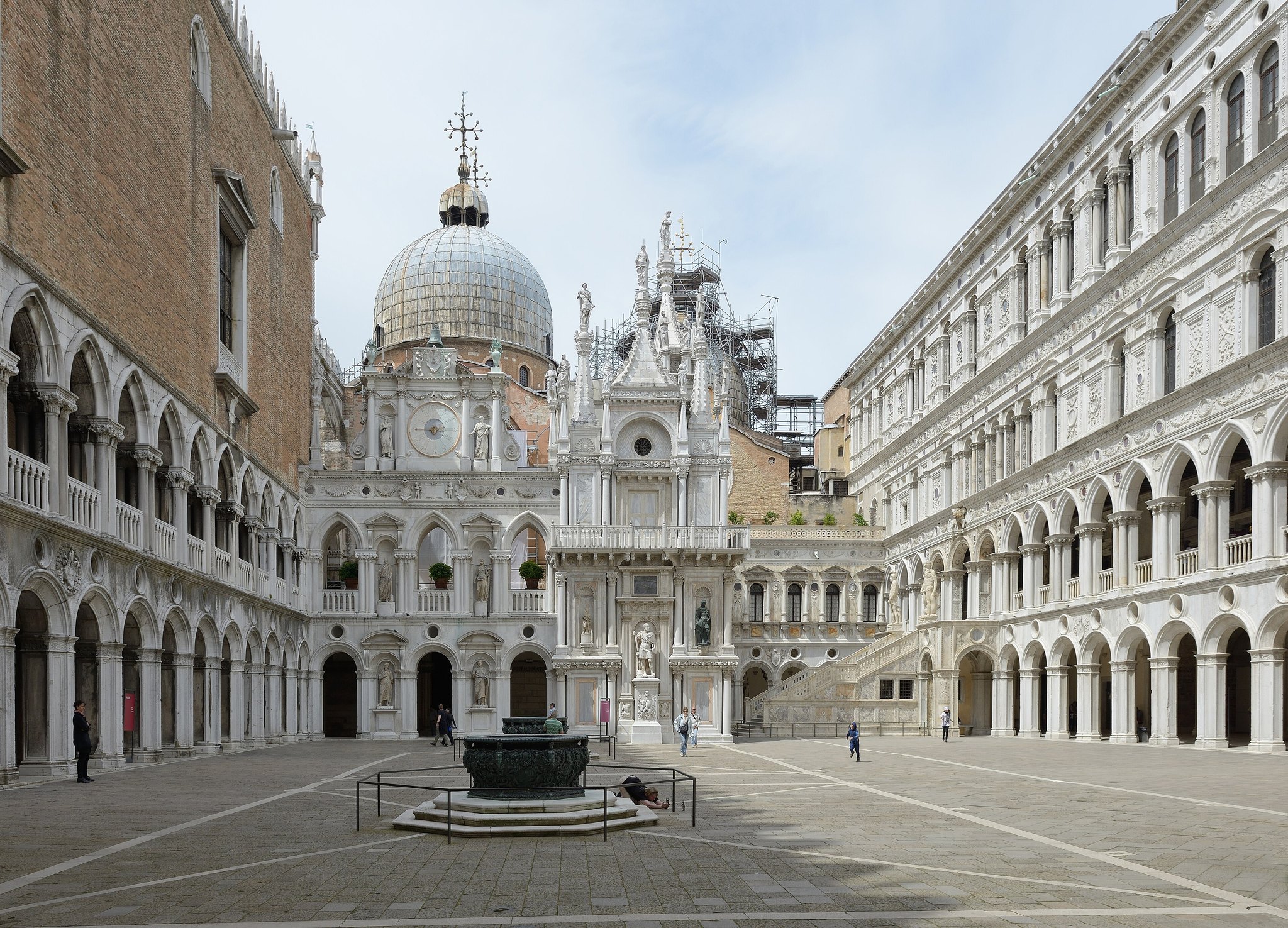 St Mark's BasilicaFree to enter · extras ticketed
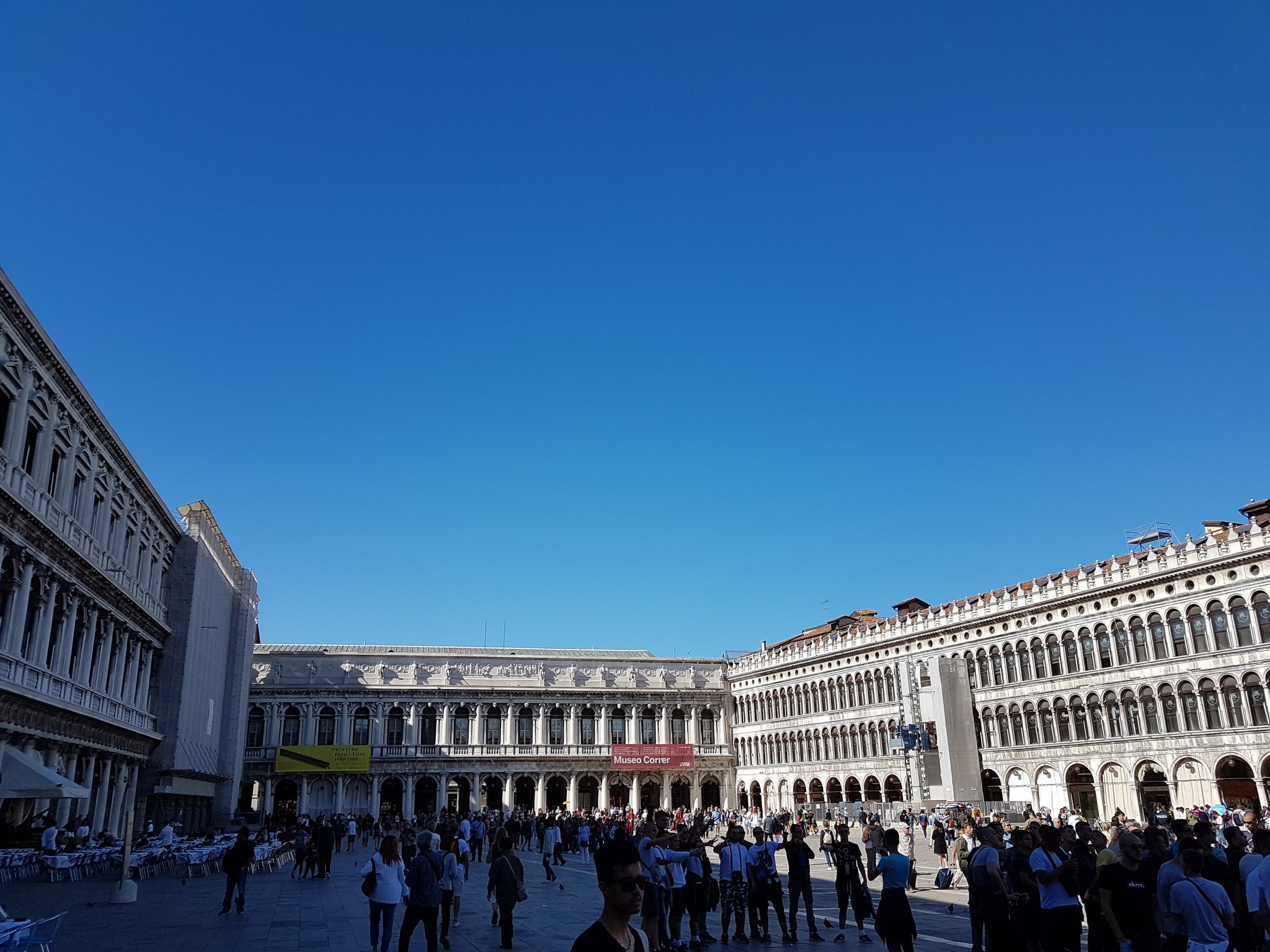 Piazza San MarcoFree · and the lowest ground in the city
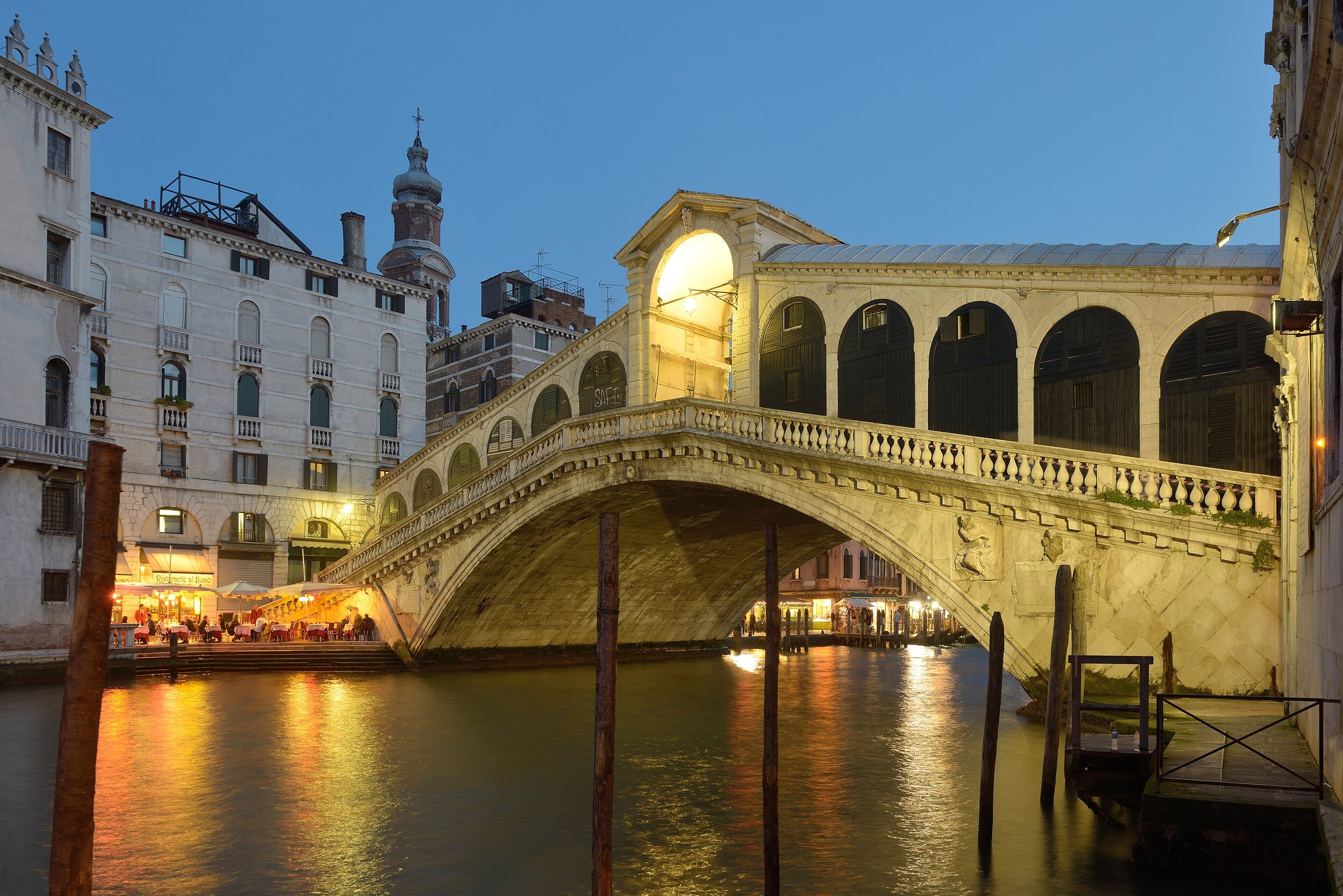 The Rialto BridgeFree · and always full
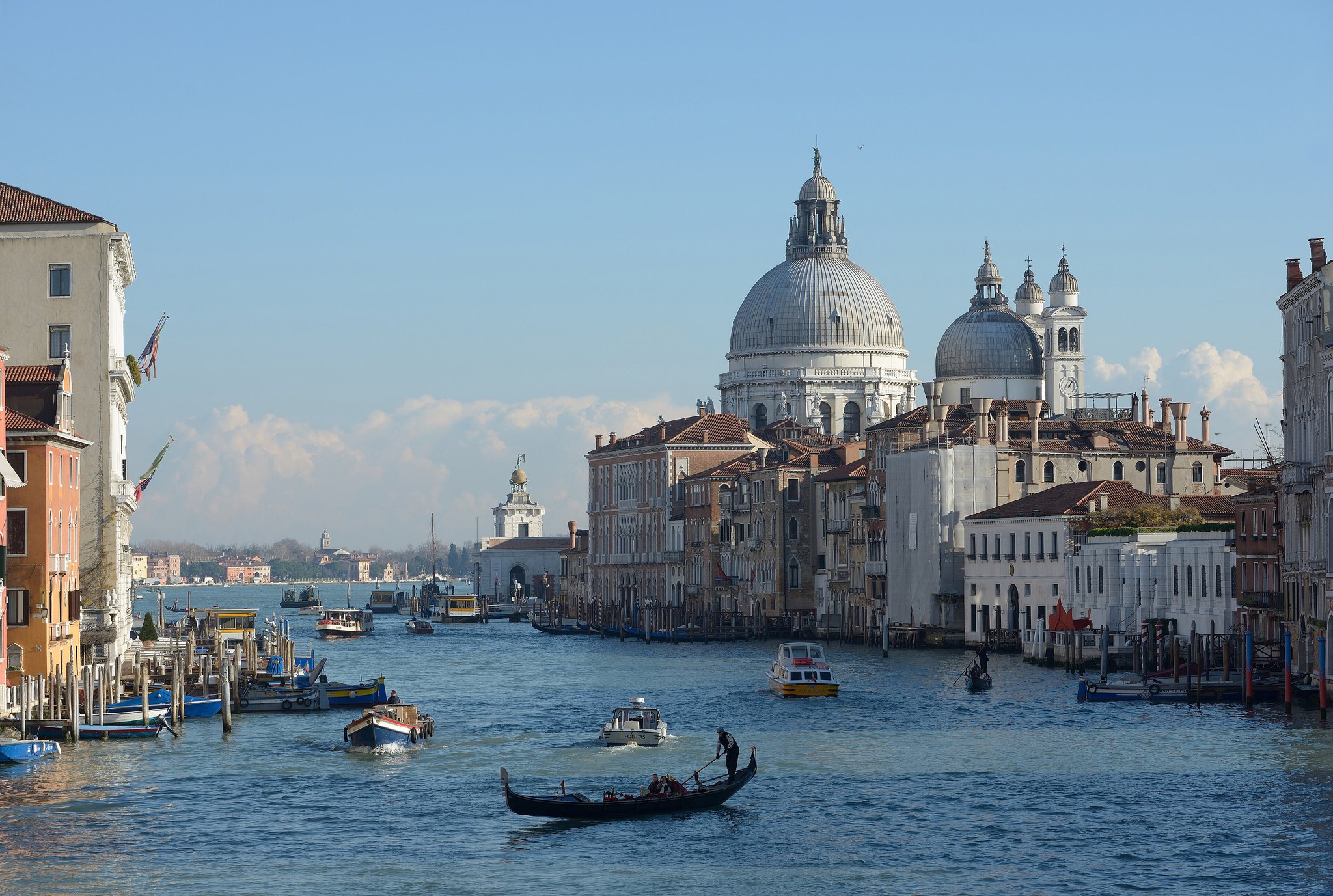 The Grand CanalFree to see · a fare to travel
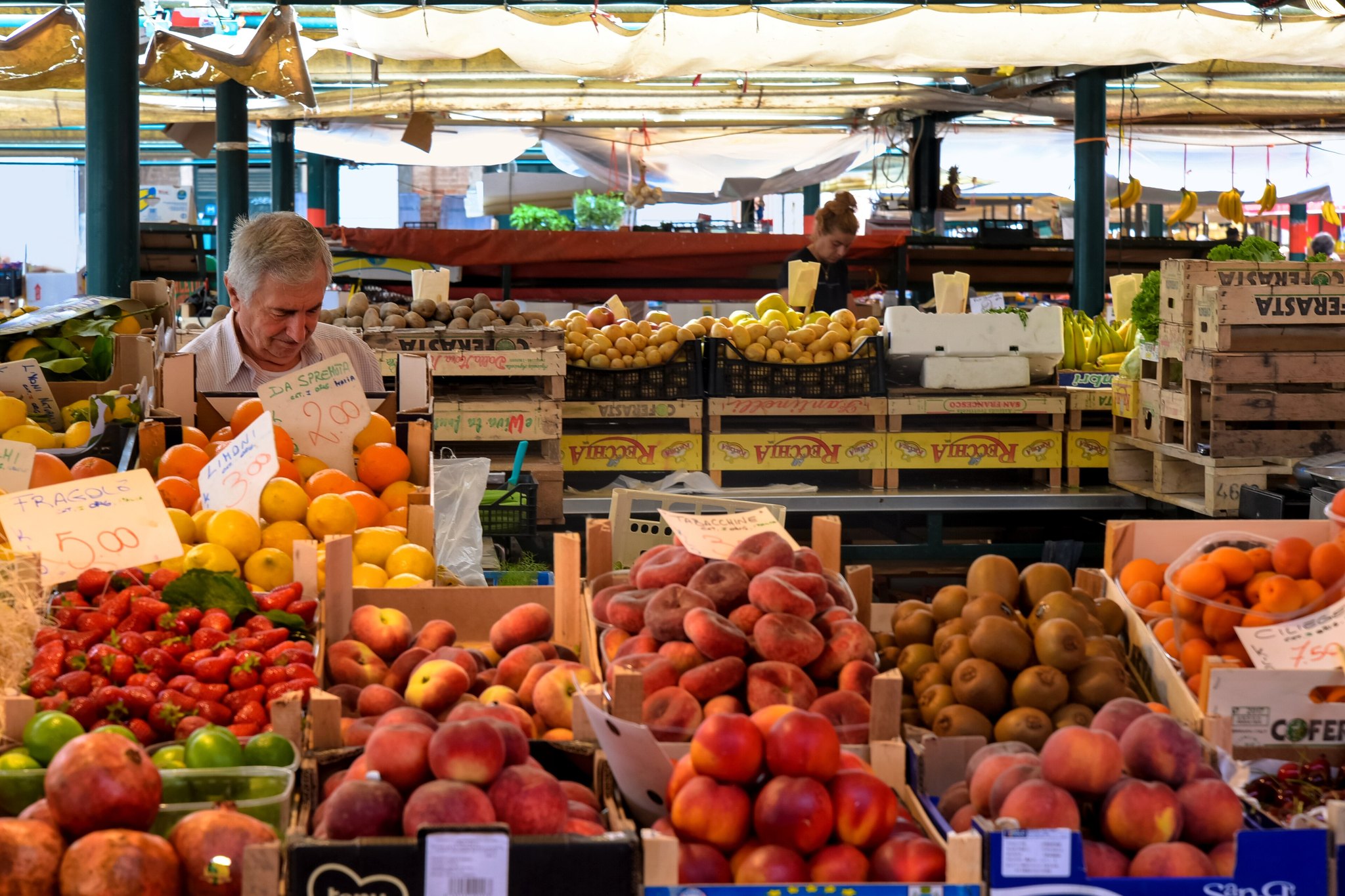 The Rialto MarketFree · mornings only, not Sunday
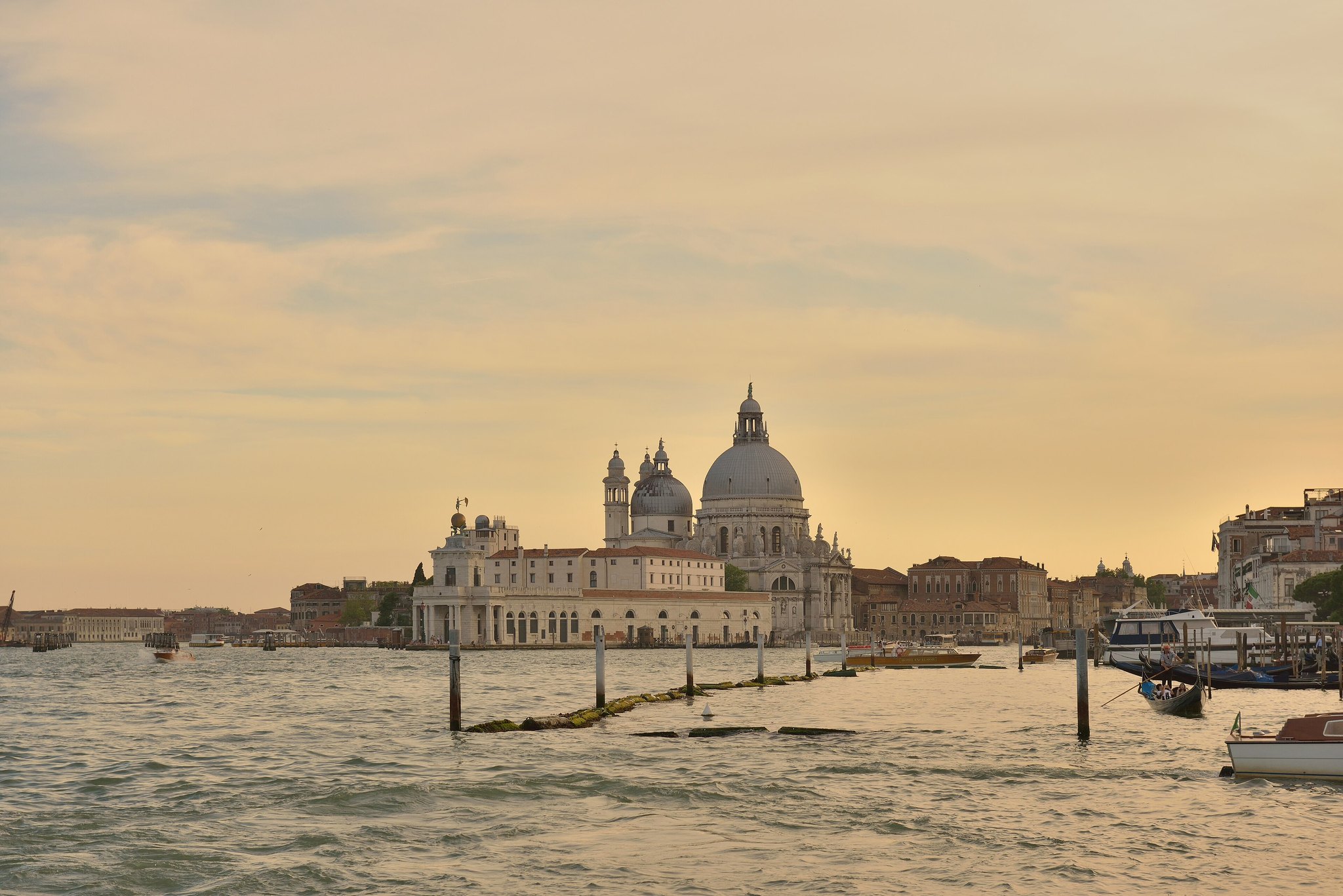 Santa Maria della SaluteFree · the plague church
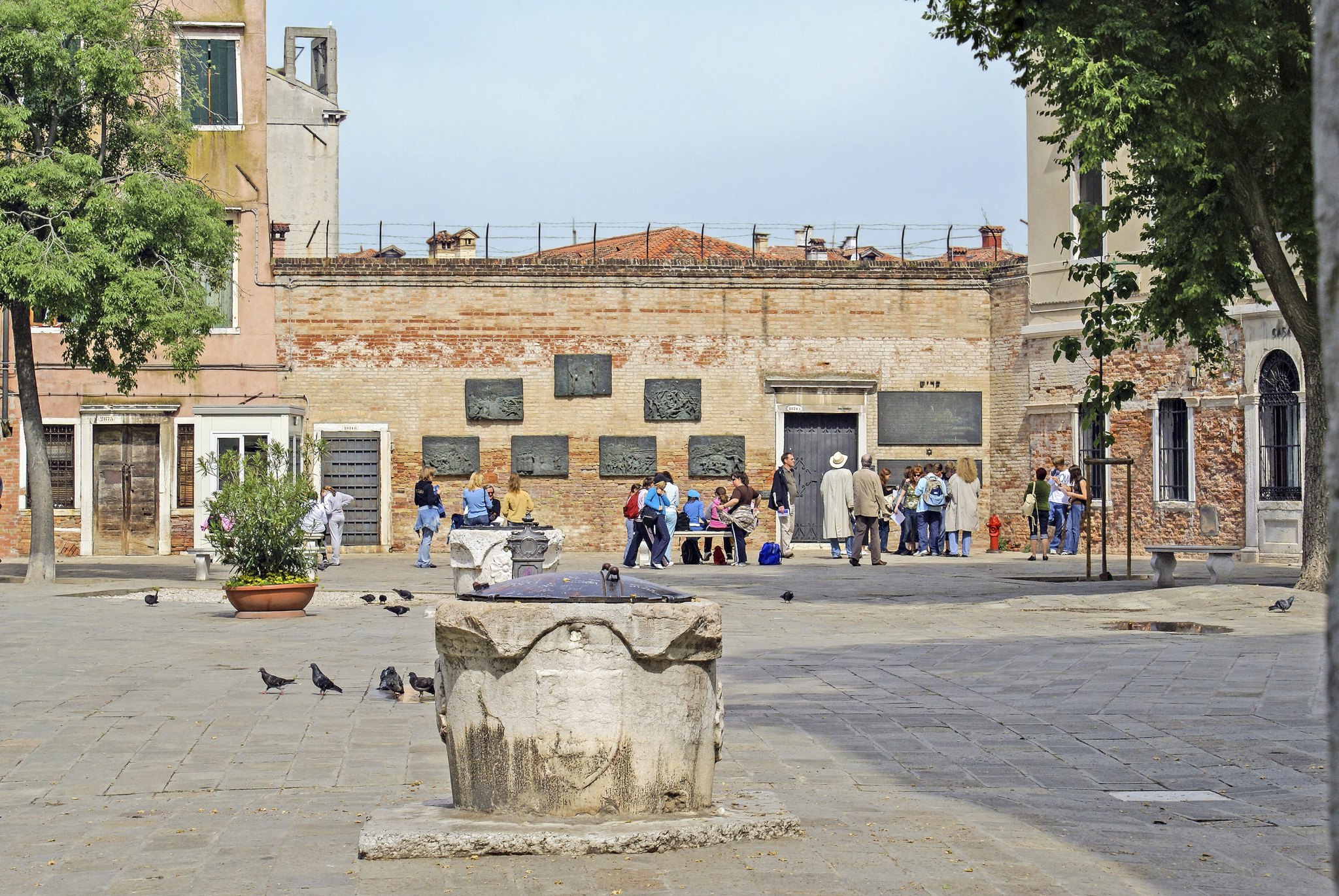 The Jewish GhettoFree to walk · museum ticketed
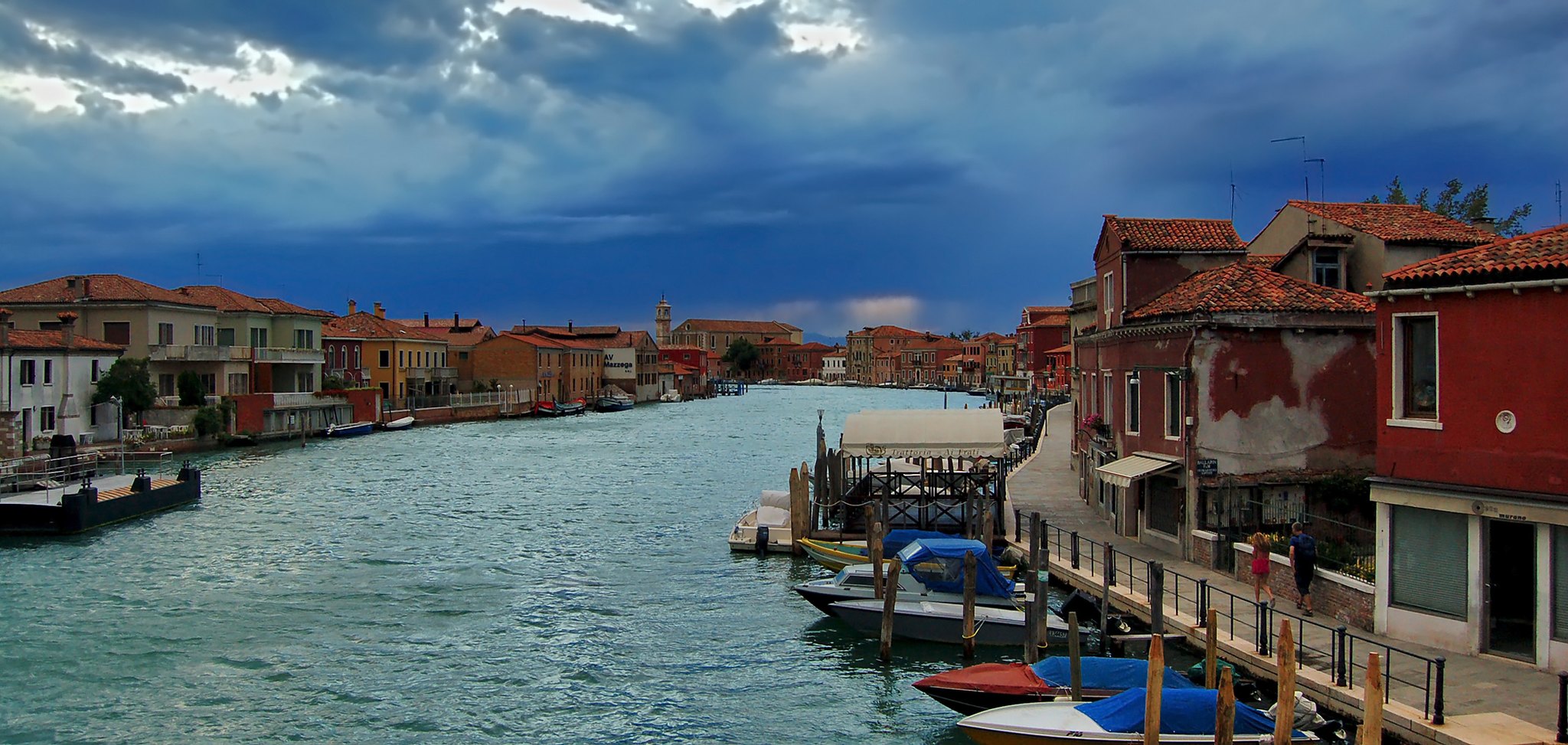 MuranoFree · the fare is the cost
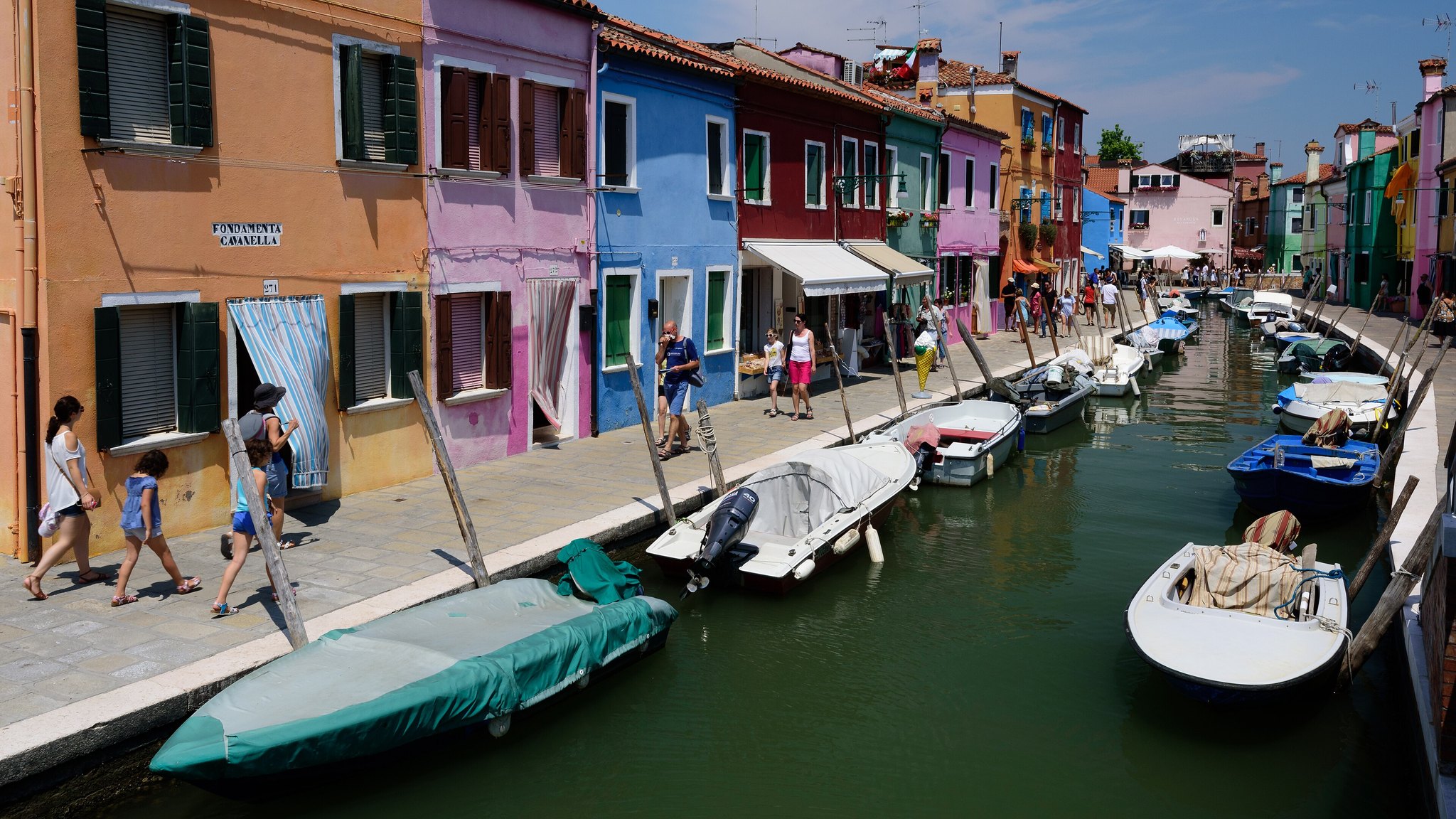 BuranoFree · and further than it looks
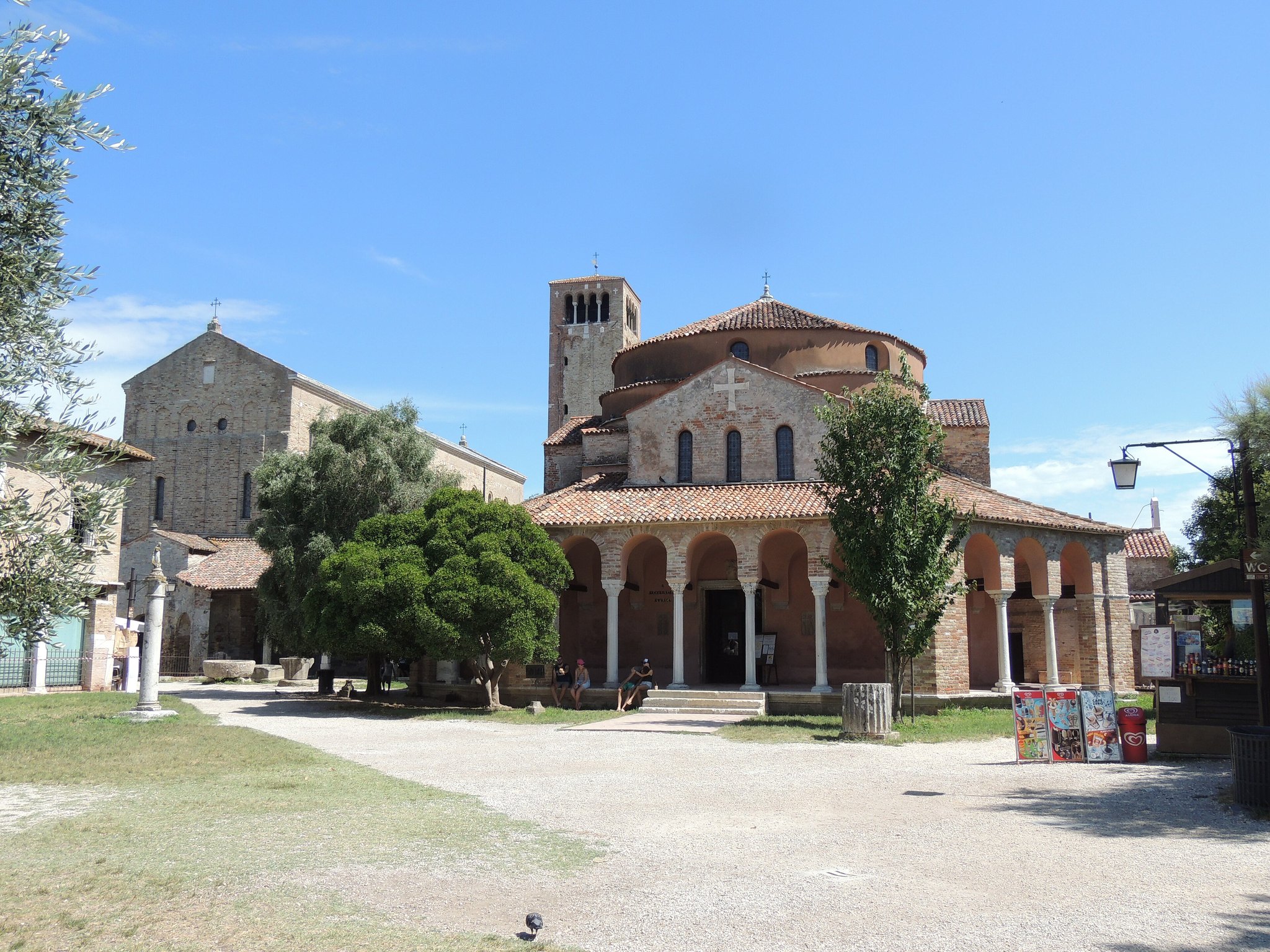 TorcelloFree island · basilica ticketed
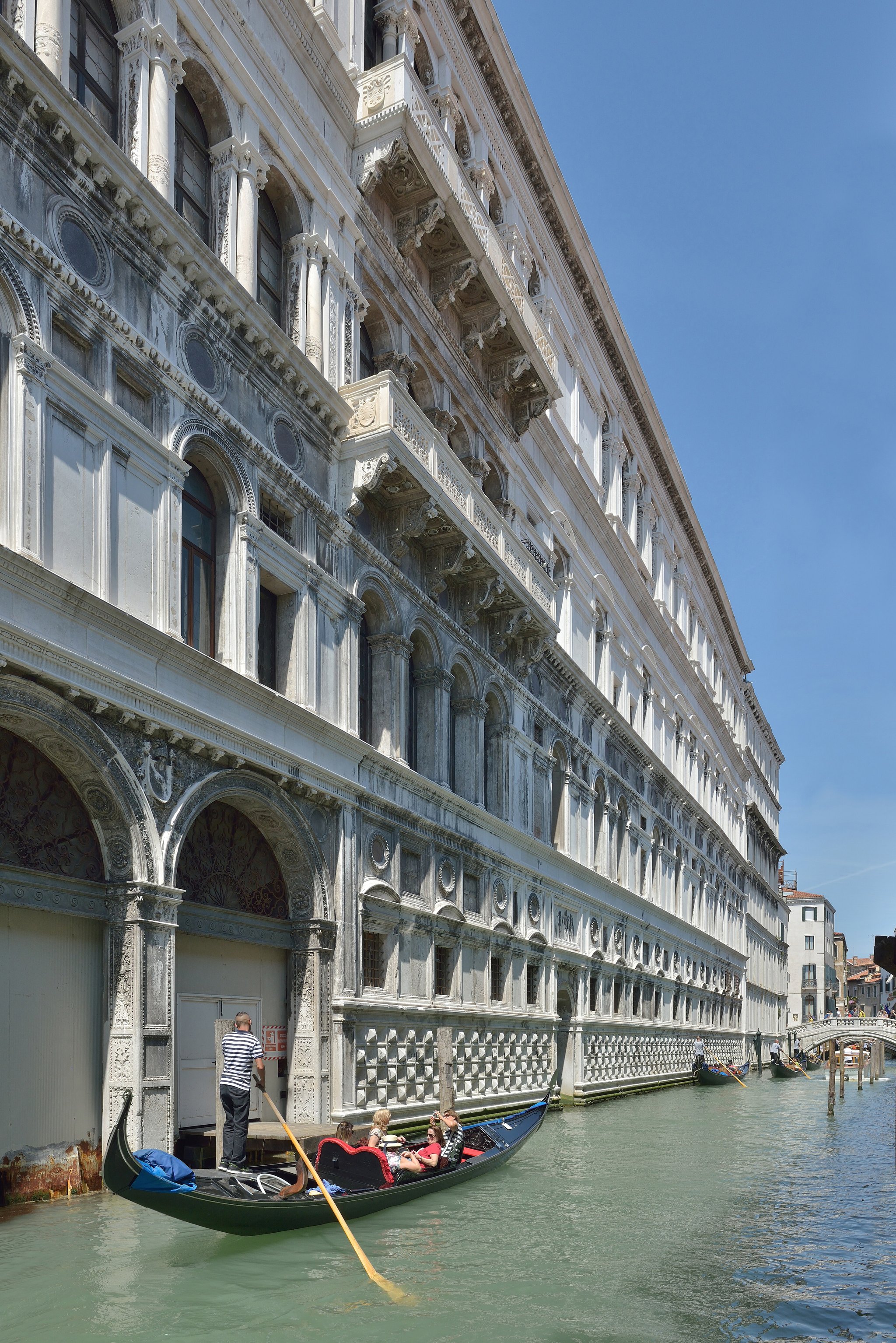 The Doge's PalaceTicketed · combined ticket only
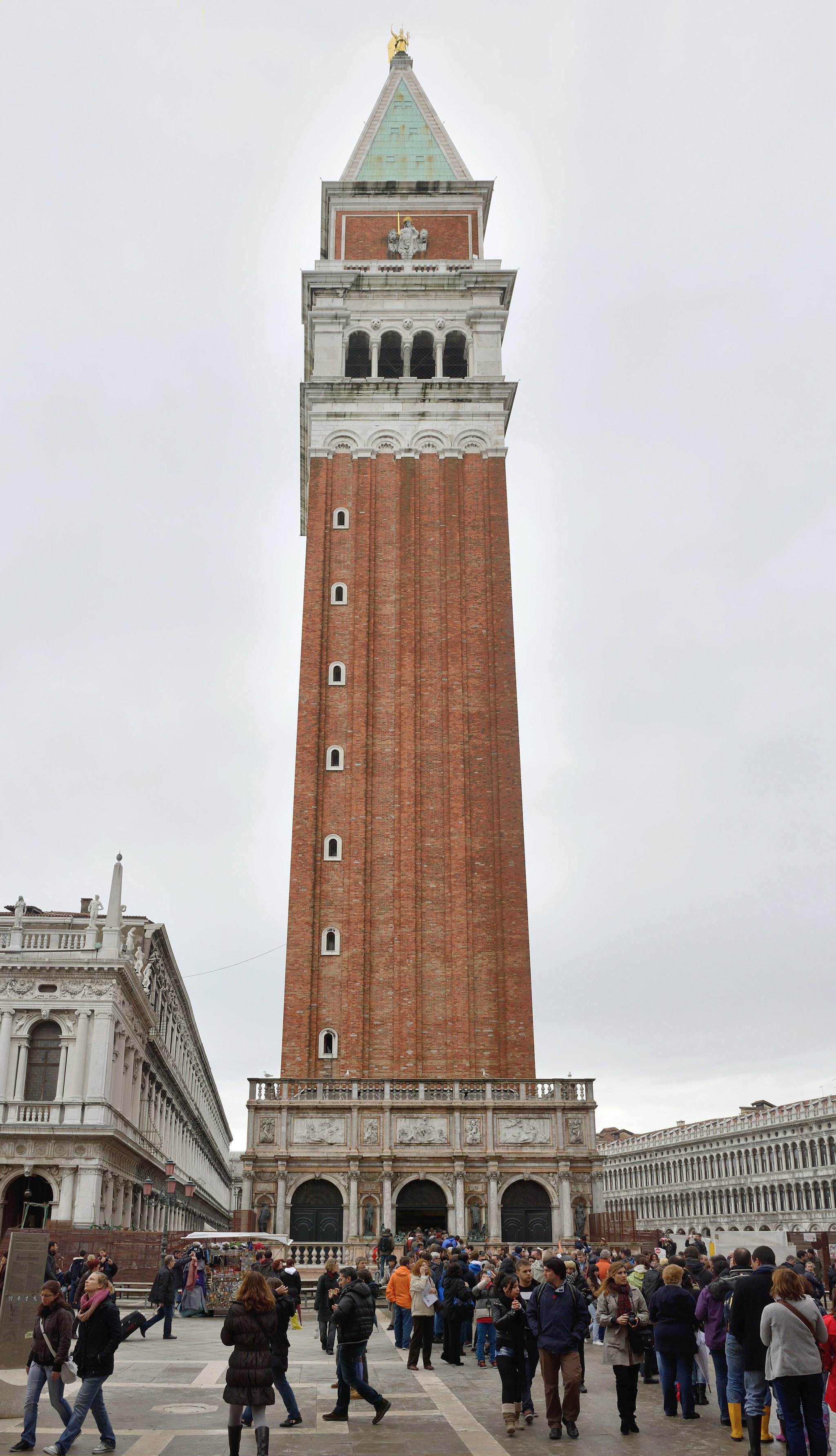 The CampanileTicketed · a lift, and a queue
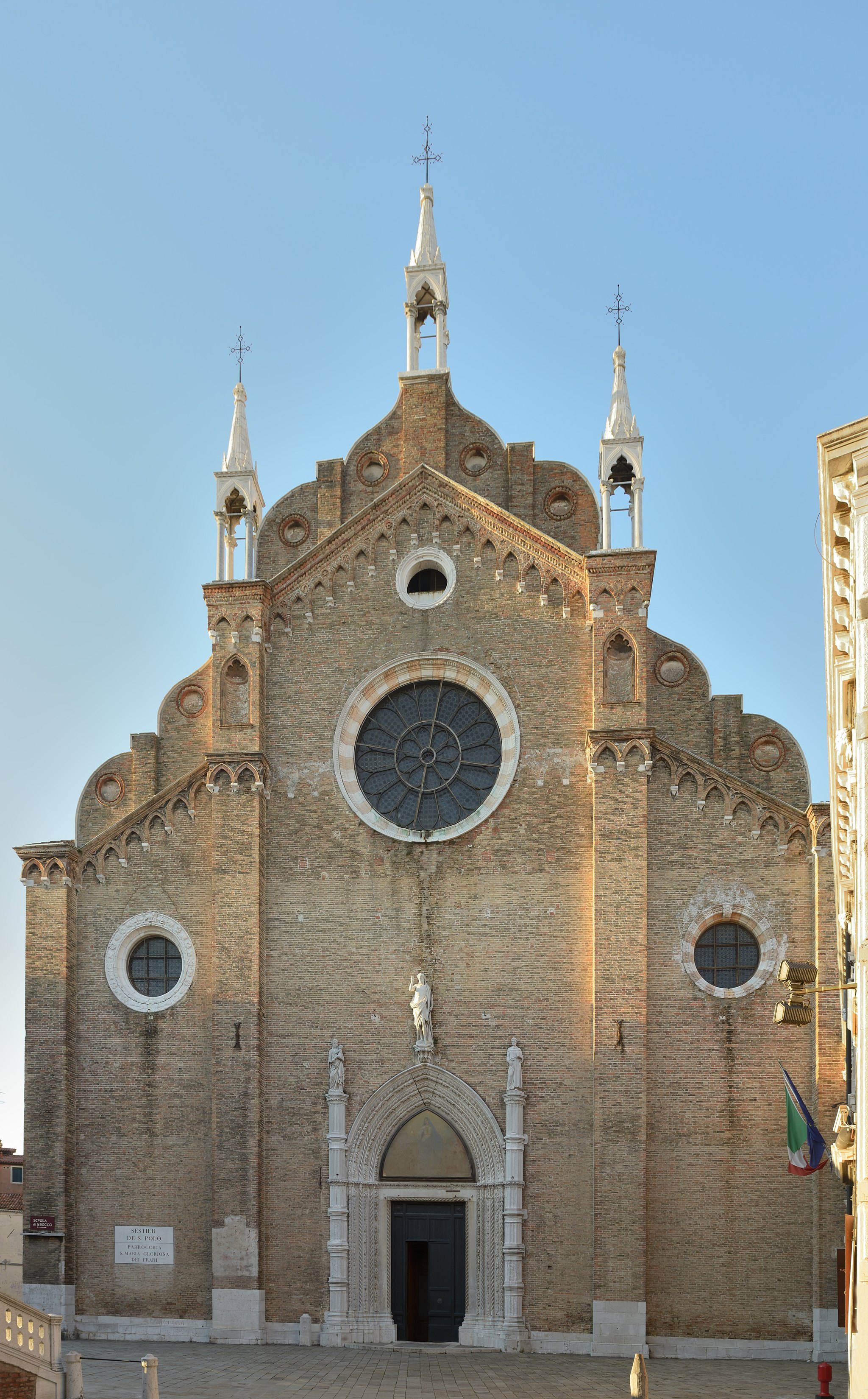 The FrariTicketed · or on the church pass
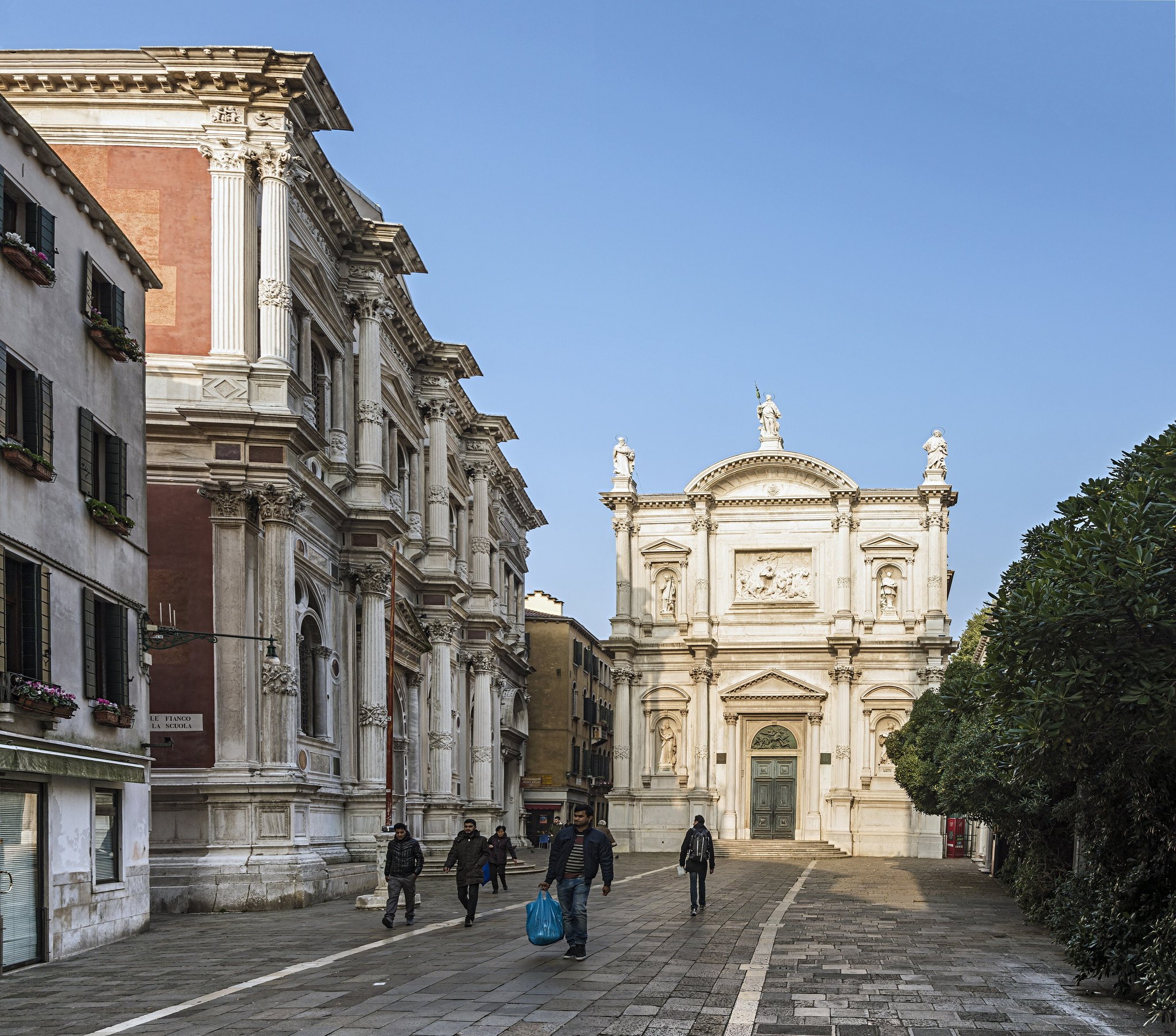 Scuola Grande di San RoccoTicketed · sixty Tintorettos
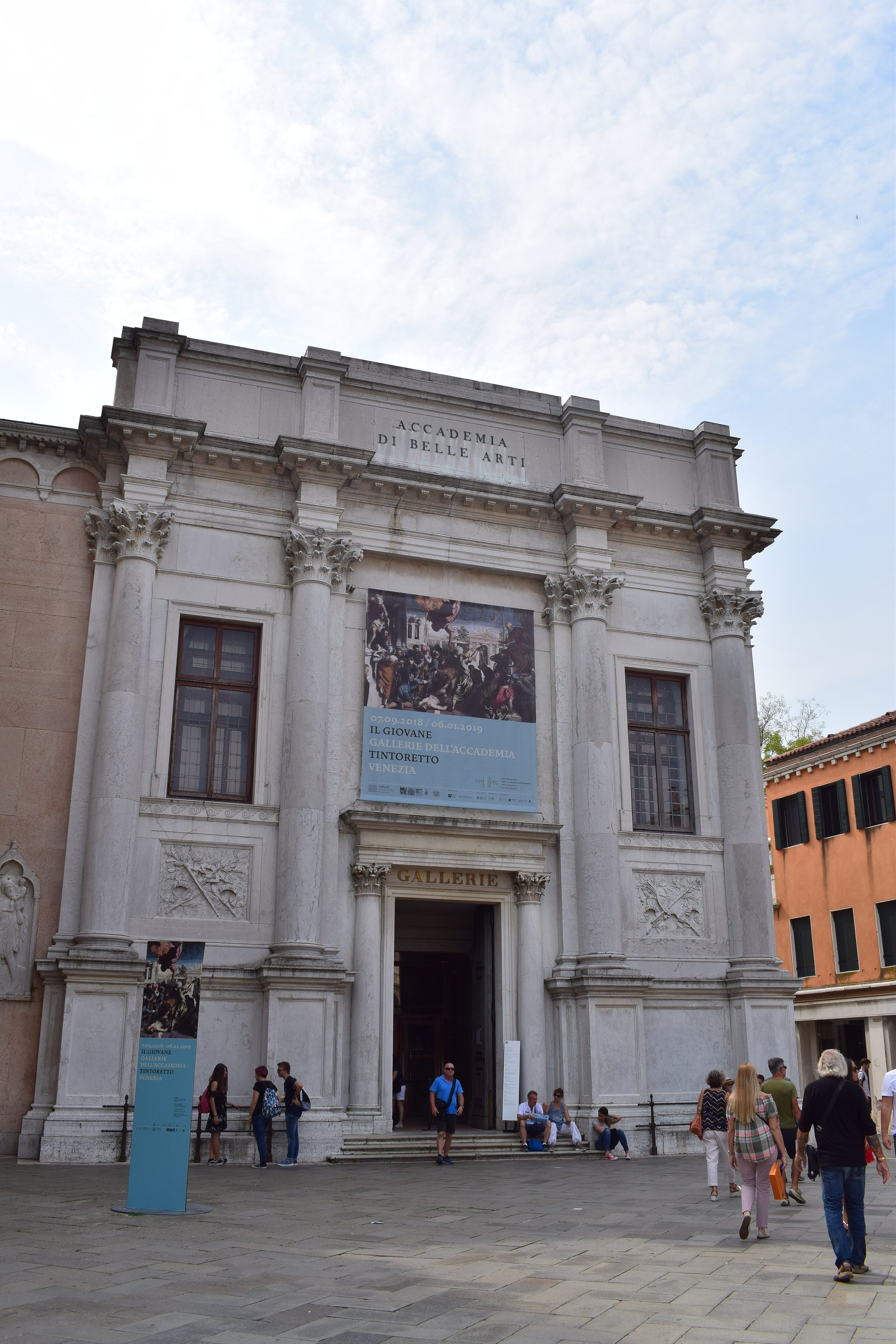 The AccademiaTicketed · Venetian painting, in order
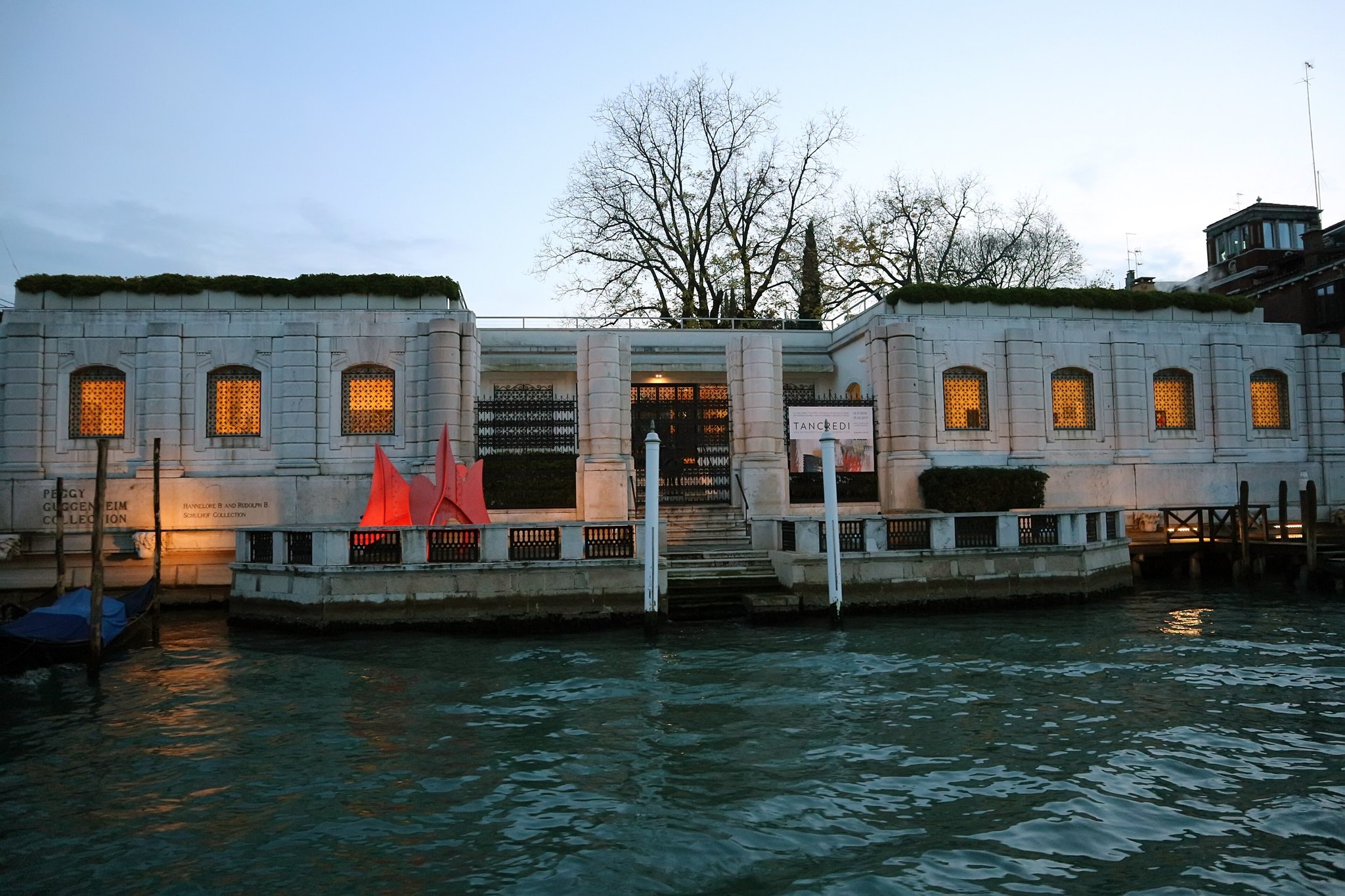 Peggy Guggenheim CollectionTicketed · closed Tuesdays
Photographs from Wikimedia Commons; each sight page carries its own photographer, licence and link.
All sixteen, with the argument →
How long have you got?
Each plan is built around the four bridges, the closures and the last boat back.
Venice’s prices are moving faster than almost anywhere in this series. The day-visitor access fee began as a trial in 2024 and its rate, its charged days and its booking window have all been adjusted since. Museum admissions changed in 2024. Vaporetto fares rise most years. Nothing here quotes a current price for that reason: we describe how a charge works and send you to the operator for the number. If we have described a mechanism wrongly, that is worth telling us about.
Everything here was checked on 5 September 2026. Tide forecasts, boat timetables, closing days and the access-fee calendar all change — confirm before you travel.